Spark API puts plain language answers about what people think, feel and do inside the systems you’re building. You decide what to ask for, in what order and how it’s presented - so the user experience you’ve designed stays yours.
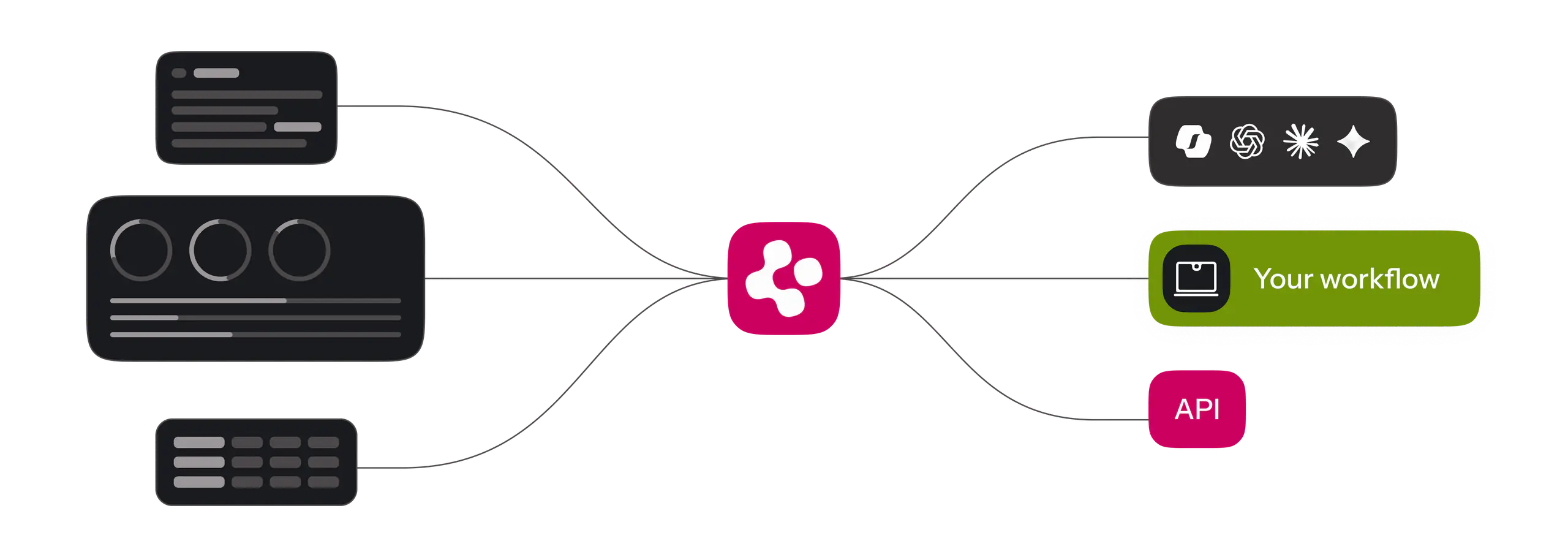
Ask a question.
Get an insight back.
Here’s what goes in, and what comes out.
What you send
A question in plain language, from the digital habits of solo travelers to the attitudes of Millennials in Canada. You don’t need to be an expert on GWI’s data or how it’s organized.
What comes back
A structured response: the figures, the audience definition behind them, and the source. Everything you need to show where a number came from.
What you do next
Show it in your own tool, alongside your own data. GWI stays underneath.
It runs inside whatever you’re building.
A pitch tool for your sellers
A seller enters the brand they’re pitching. Your tool shows where that brand’s customers overlap with your audience, what they care about, and how they spend time with your inventory.
Consumer data inside your CRM
Account teams see who they’re selling to without switching tools.
Campaign planning tools
Audience and media-consumption data arrives at the moment of planning.
An internal assistant
Marketing, product and strategy teams get answers to consumer questions, with the source attached.
Get answers on demand and keep control of what you build
Automate the questions you keep asking
Your system can send the same questions as often as it needs to, for campaign planning, copywriting or persona building, with nobody pulling data by hand.
Combine it with your own data
Your system decides how GWI answers sit alongside your CRM or sales data, so what your users see is specific to your business.
Same question, same number, whoever asks
Your research team sets the audiences your system can draw on, using Saved Audiences. Your system can’t go outside them.
Show where every number came from
Each answer carries its audience, sample and source, so your tool can show users the basis for what it says.
Two routes into the same data.
Some teams want the building blocks. Some want the finished answer. The difference is who does the reasoning.
Spark API
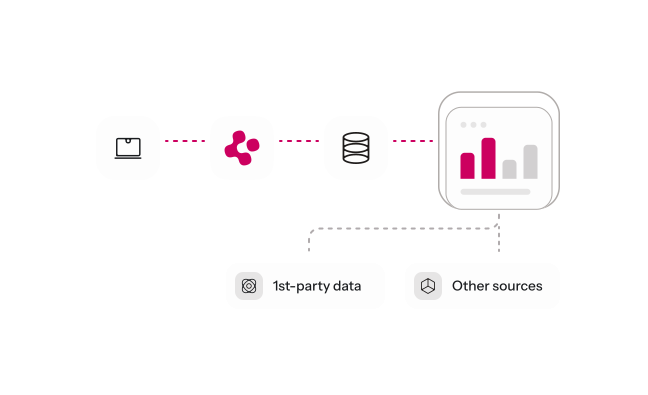
Get the parts. Do the reasoning.
Build the audience, run the query, pull the detail and assemble the answer in your own code. You decide what to ask and in what order. (You are here.)
Agentic API
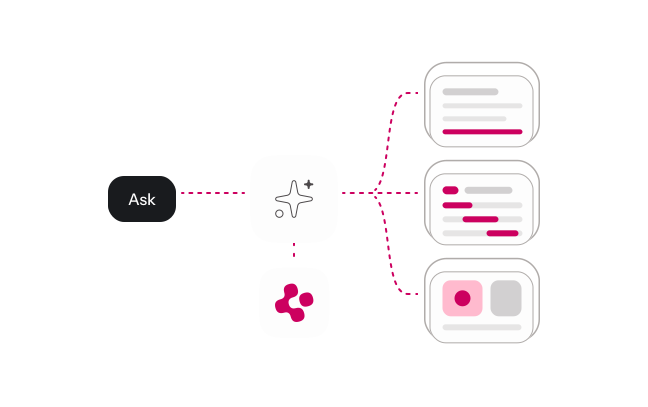
Send the goal. Get the analysis.
GWI plans the steps, calls its own tools in order and hands back the finished narrative with the evidence behind it.
Explore the Agentic API
The best human data to build from
Data points a year
45bn
Global markets
100+
Years of survey data
17
Survey responses a year
5.5m+
Got questions? We’ve got answers.
What is Spark API?
Spark API lets your systems send a question in plain language and get back a structured answer from GWI's survey data, with the figures, the audience and the source. You decide what to ask and how to use the result.
How is Spark API different from the Agentic API?
Both reach the same GWI data, audiences and numbers. Spark API gives you the parts and you do the reasoning: more effort, more control. The Agentic API does the reasoning and returns the result: less effort, less control.
How is Spark API different from Platform API?
Platform API returns aggregated results for audiences, questions, markets and time periods that you specify by ID, as structured JSON. Spark API lets you ask in plain language, with no IDs to map first.
Can our insights team control which audiences are used?
Yes. Your insights team defines and owns the saved audiences everyone works from and sets the boundaries on what can be surfaced. Everyone queries from the same definitions, so answers don't drift as you scale.
Does every answer come with evidence?
Yes. Each response carries the figures, the audience and the sample behind them, with the source attached.
How do I get started?
Read the API documentation, or talk to us about which route fits what you're building.
View API docs