Simulated data

Simulated data built on human research

Grid of various chat message bubbles with assorted icons, audio waveforms, and profile photos of diverse individuals, resembling a messaging or social media interface.

For over 17 years, we’ve been asking people who they are and what they think, feel, and do.

Now, GWI’s Simulated Data Model uses that research to model how your audience may respond to new questions, with every answer grounded in measured human responses. Join the waitlist for early access and get answers in seconds.
‍

What GWI simulated data gives you

Simulated data turns what GWI already knows about people into answers to new questions.

Your audience, on demand

Ask new questions as they come up and get answers in seconds, going beyond what’s already been measured.

A deeper understanding of people

Every simulated answer draws on the attitudes, interests, behaviors, media habits, and buying habits GWI has measured from the same respondents.

Confidence backed by evidence

We test how closely simulated responses align with real human response patterns.

More than demographics

We capture people’s  attitudes, interests, behaviors, media habits. That gives the model more context and a richer picture of the audience to  learn from.

‍

What the simulations are based on

Real interviews a year

2m+

Markets

53

Years of consistent survey data

15+

Profiling Points

175k

How our Simulated Data Model works

At the heart of simulated data is GWI’s respondent-level survey data. The model learns from patterns across people’s existing answers and profiles to predict how they may respond to questions that haven’t been measured directly. GWI data comes directly from real people, not models, online tracking or scraped sources. With 2M+ survey responses across markets every year, you get consistent evidence you can stand behind.

What goes in

The model starts with representative survey data collected across markets and measured to a consistent standard. Attitudes, motivations, behaviors, media habits, and purchases come from the same respondents. That gives the model both the scale and context to understand how different people tend to respond.

See our methodology

How it learns

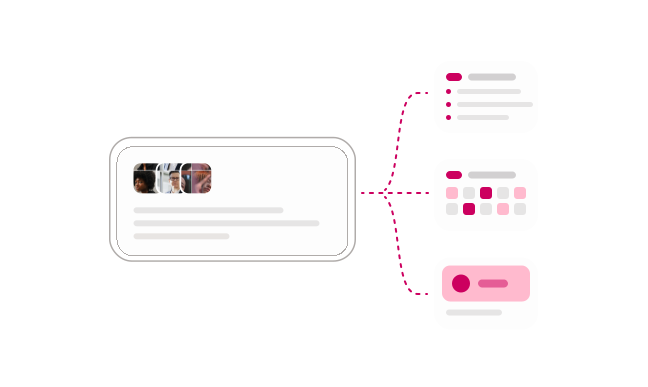
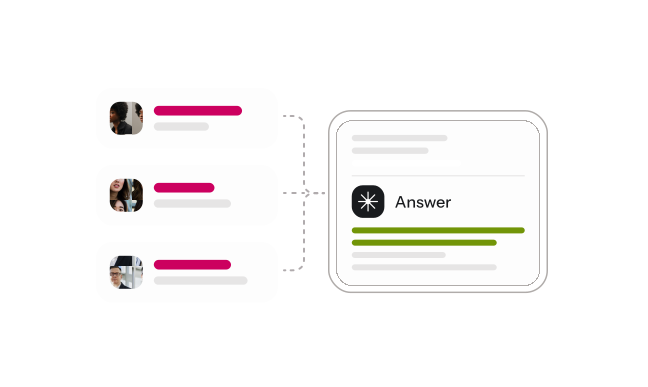
For each new question, the model finds relevant questions respondents have already answered, along with the wider context in their profiles. It uses those relationships to model responses respondent by respondent, rather than generating one answer for the audience as a whole.

Diagram showing three user profile cards on the left, each with a user photo and pink-highlighted name, connected by dotted lines to a single answer box on the right with a star icon and green-highlighted text.

How it represents people

We capture people’s attitudes, interests, behaviours and media habits, giving the model a richer picture of each person to learn from.

How it’s evaluated

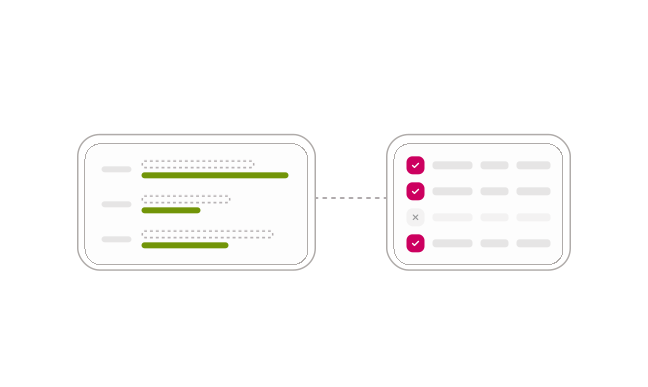
We test simulated responses against real survey data at multiple levels, to measure how closely they reflect human response patterns.

‍Distribution similarity
‍
Do simulated response patterns reflect the shape of human responses?

Distribution Similarity Accuracy (DSA)
‍
Are the relationships we see in survey data preserved?

Relationship between answers
Does performance hold up beyond the audience average?

Respondent-level patterns
‍
One of the measures we use to quantify how closely simulated and human response distributions align.

Keep decisions moving with simulated data

Reach niche audiences

Ask questions of specific or hard-to-reach audiences where getting enough of a sample can be difficult, expensive, or time-consuming.

Pressure-test ideas early

Get an early read on concepts, messages, propositions, or creative before committing to further development or research.

Get an audience read faster

Answer questions about an emerging cultural moment or fast-moving brief when there isn’t time to commission new research.

‍

Keep learning about your audience

Build on what you already know as new questions emerge, using follow-ups, simulated personas, panels, and other ways to explore an audience on demand.

‍

Get early access to Simulated Surveys

Join the waitlist to be among the first to try simulated data. Get answers in seconds, backed by human intelligence.